Price
from € 1,999.99*


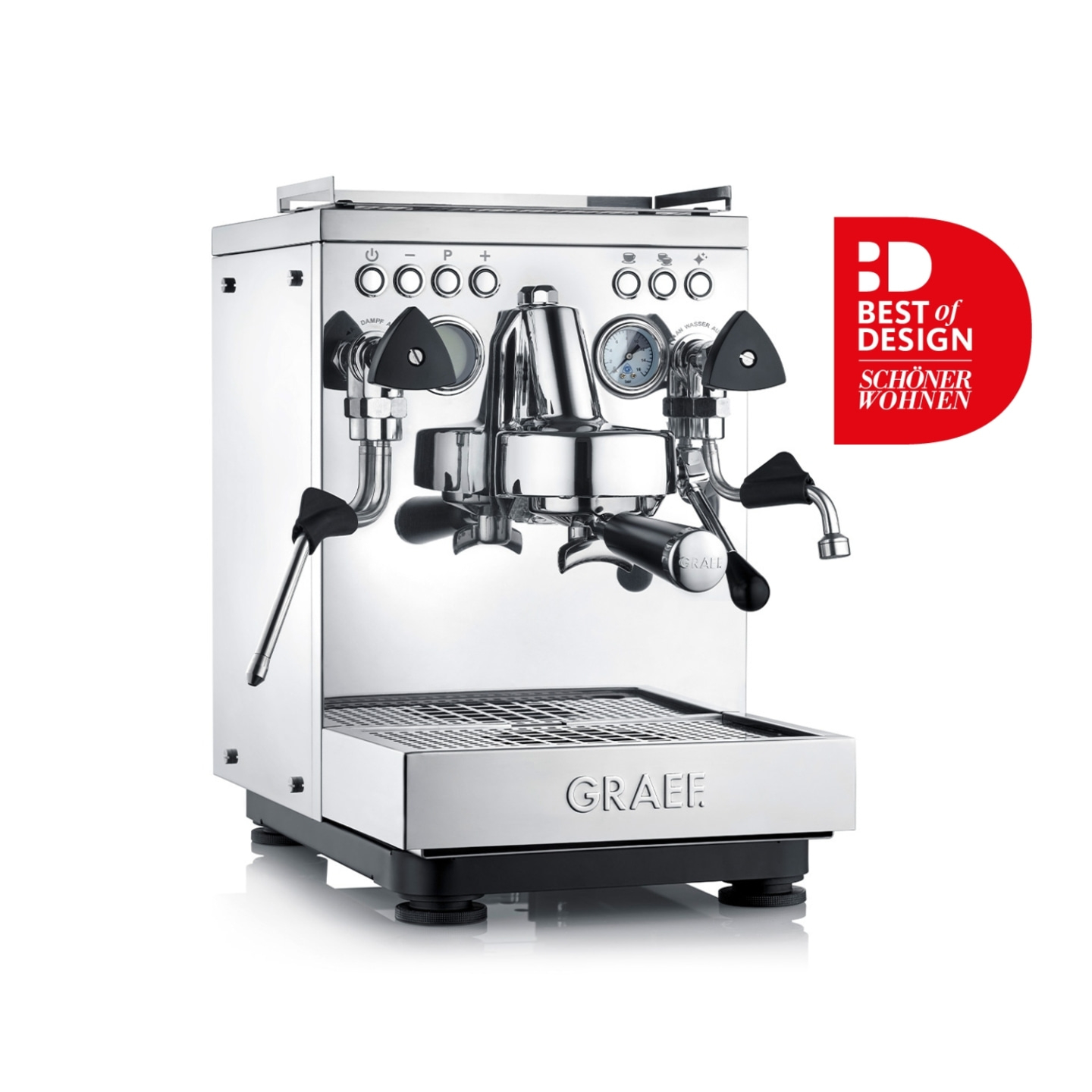
Developed by and with specialists: the new generation of premium espresso machines from GRAEF! Striking look, thoughtful features, and coffee with a guarantee of success. Finest materials and latest technology, coupled with a variety of adjustment options, ensure an exceptional coffee moment in everyday life. Our GRAEF portafilter machines enable true connoisseurs to enjoy exquisite barista quality in the comfort of their own homes. Whether you're just diving into the world of coffee, already skilled in managing brewing pressure and grind size, or giving presentations on the four M's for perfect espresso at family gatherings – we have the right machine for every level.
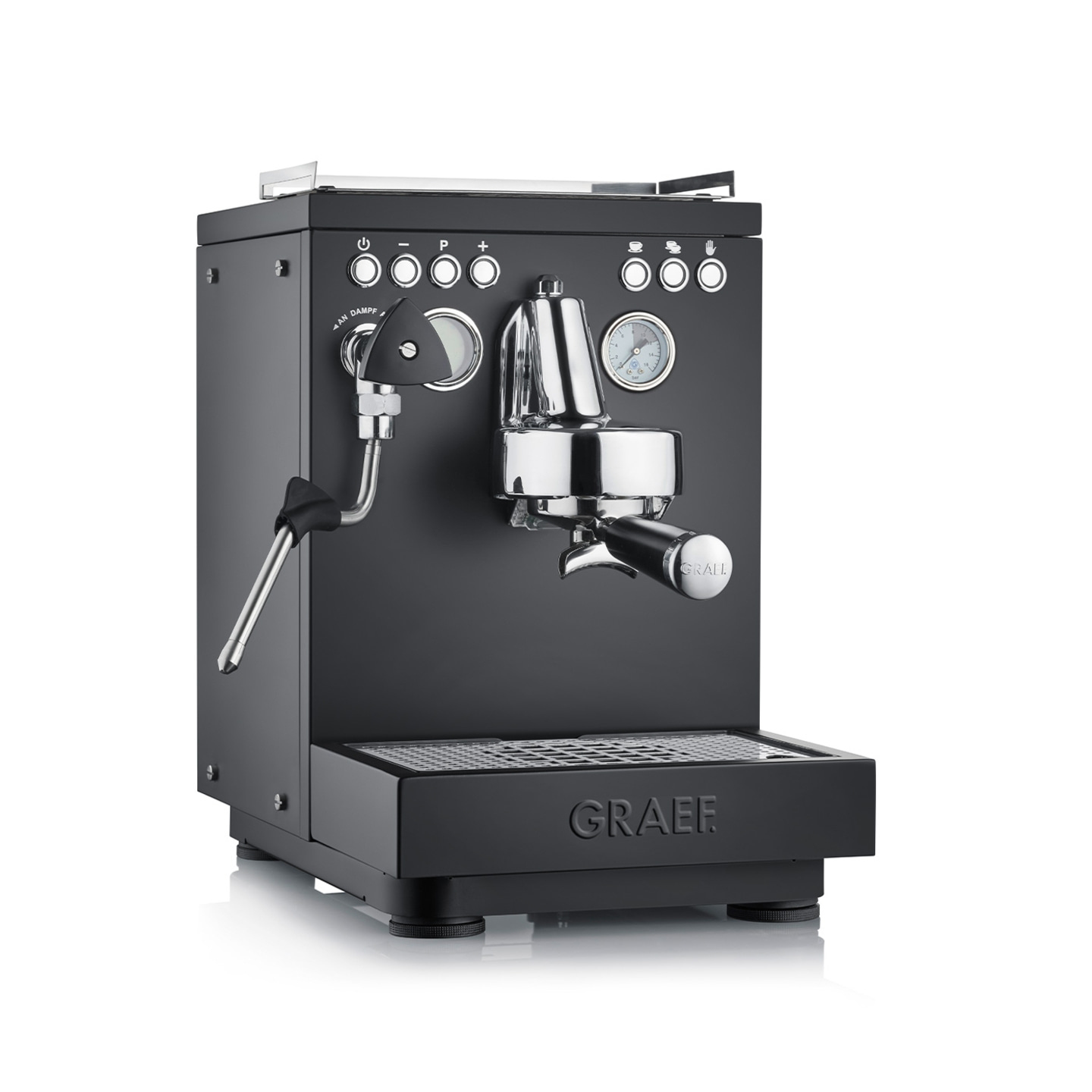
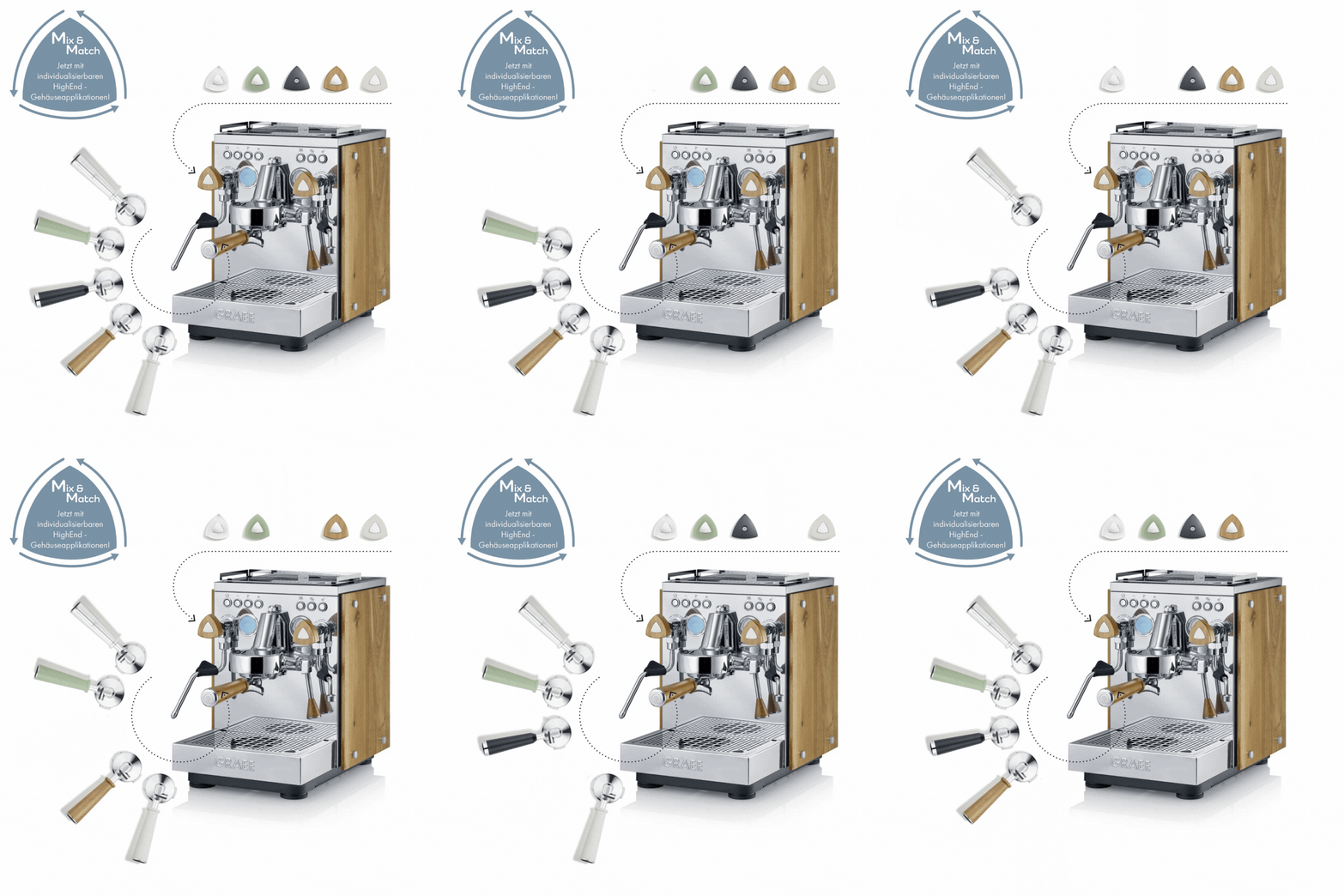
Take individuality to a whole new level – design your very own GRAEF portafilter machine with GRAEF's unique Mix & Match concept: from elegant concrete looks to soft wood tones. Combine portafilters and housing applications according to your own taste. You will then receive your dream machine and can assemble the applications yourself at home!

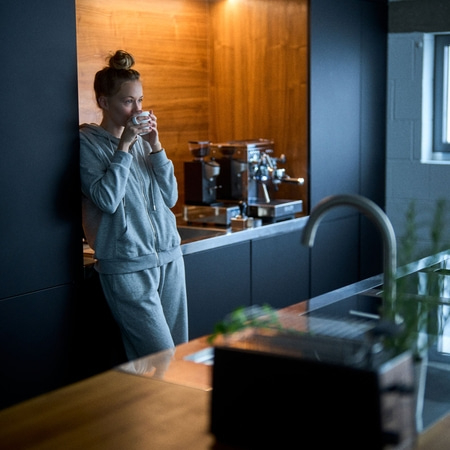
How many thermoblocks would you like—one, two, or three? We can’t make the decision for the right machine for you, but we’re happy to advise you and help you find the model that perfectly matches your needs: If you prefer a quick espresso and are mainly looking for a space-saving solution, our Salita is an excellent choice.
“Single-boiler” machines are ideal for a quick espresso in between. They heat up rapidly and are ready for operation in no time. With two thermoblocks, like the Baronessa, or even three, like the Contessa, espresso and milk foam can even be prepared simultaneously. Perfect for anyone who enjoys a cappuccino for breakfast or wants to prepare an espresso alongside warm milk for the little ones.
Our high-quality 58 mm stainless steel portafilters not only feel great in your hand, but also offer an especially large surface area, ensuring optimal extraction and full development of the coffee’s aromas.
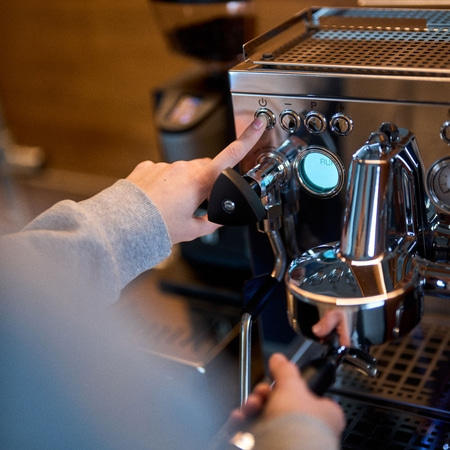
With our Marchesa, Baronessa, and Contessa, you can individually adjust the coffee temperature and quantity as well as the steam quality via a programming panel or LCD display. For example, you can set the steam to five or even seven different levels – wetter or drier, just the way you prefer.
You can also conveniently program the temperature of your coffee. Simply fine-tune it step by step to find your ideal temperature – between 88 and 96 °C – and get even more out of your espresso!
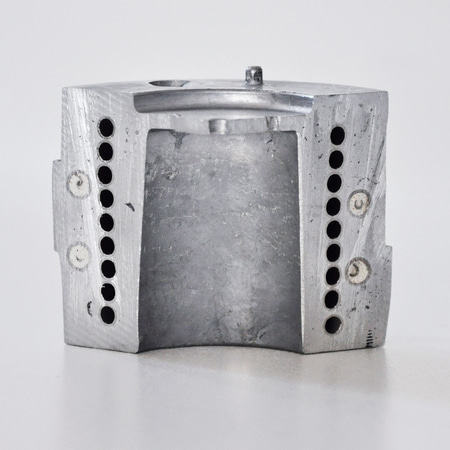
As in a continuous-flow water heater, cold water is pumped through a heated thermoblock and heated. GRAEF espresso machines with thermoblocks do not have water boilers that need to be heated. This means they are ready for use more quickly. The water is pumped through the spiral-shaped stainless steel water pipe in the thermoblock and can thus be heated to coffee temperature very quickly. The heating element is located inside the thermoblock.
It only takes a relatively short heating phase – and after one or two empty runs, you can then prepare your espresso. GRAEF espresso machines exclusively use thermoblocks made of die-cast aluminum with integrated stainless steel pipes.
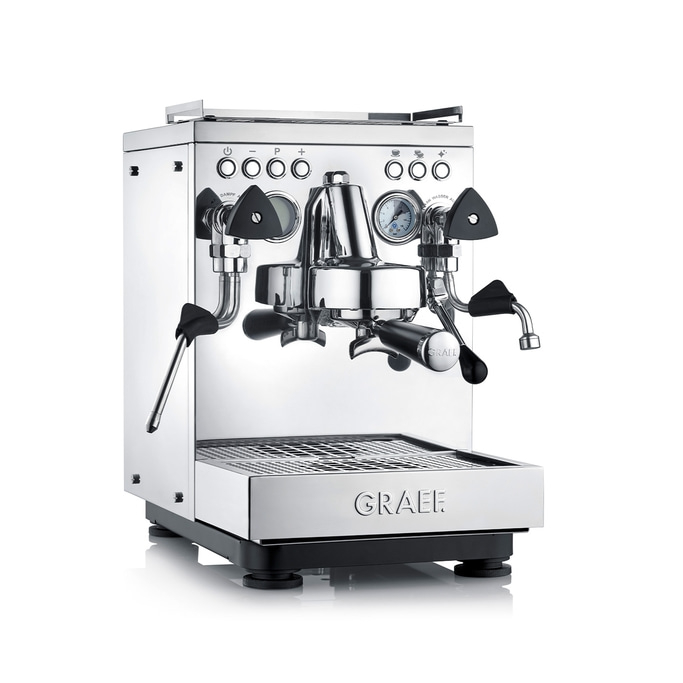
The development of espresso technology, which is also processed Graef's espresso machines, dates from the year 1901. 6 to 7 grams of fine coffee grounds had been extracted out of the machine in approximately 25 to 30 seconds and under high pressure (approx. 9 bar). During this process, the water has a temperature between 90 and 96°C. In case of Espresso Machines, the group handle manually gets filled with coffee grounds and then gets pressed into the filter basket of the group handle - a process which is called "Tamping".
The way of preparing coffee is differing among cultures, national habits or personal taste. For this, each bean gets, depending on the way of preparation, grounded in different coarsenesses. For most of the preparation methods, the utilized water has a temperature which is below the boiling point. In case the water temperature is too low, the coffee has a bland and sour taste. In case the water is too hot, more bitterns get dissolved from the coffee grounds and influence the taste.
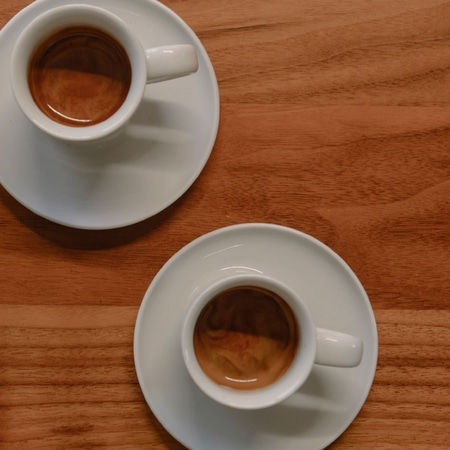
The word “espresso” comes from the Italian “caffè espresso” and does not mean “fast” but rather:
‘expressive’ (Italian: “espressivo”) freshly prepared for the guest! The “Istituto Nazionale Espresso Italiano” (INEI) defines espresso as follows:
In contrast to filter coffee, the high brewing pressure and optimal temperature extract more essential oils. The short contact time of the brewing water, on the other hand, extracts fewer undesirable substances.
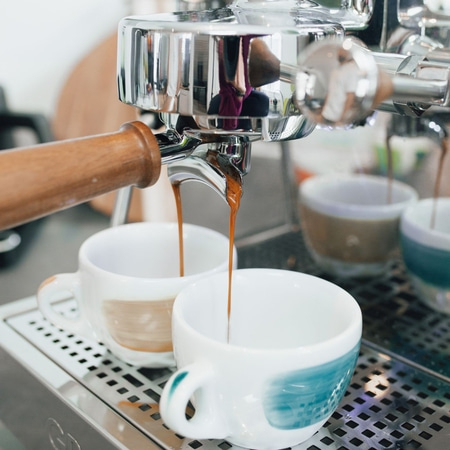
For a perfect espresso, the following factors—the 4 magic “M”s—must be in harmony:
The development of espresso technology, as mastered by GRAEF espresso machines, dates back to 1901. Six to seven grams of finely ground coffee are extracted from the machine under high pressure (approx. 9 bar) in approx. 25 to 30 seconds. The water has a temperature of 90 to 96 °C. With portafilter espresso machines, the ground coffee is filled into the removable filter by hand and pressed down, a process known as “tamping.”
The method of preparing coffee varies depending on culture, national customs, or personal taste. The beans are ground to different degrees of fineness depending on the preparation method. For most preparation methods, water below boiling point is used. If the water temperature is too low, the coffee tastes thin and sour; if the water is too hot, more bitter substances are released from the coffee powder and affect the taste.
A portafilter machine is an espresso machine in which a portafilter (which holds an espresso filter with compressed ground coffee, e.g., for one cup of espresso) is clamped into the brew group and hot water at approx. 92°C is forced through the compressed ground coffee under high pressure. This is called espresso extraction. The end result is usually a single or double espresso (alternatively ristretto or lungo). GRAEF portafilter machines use so-called thermoblocks as a heating system to heat the water and are ready for use much faster (3 to 5 minutes) than conventional boiler or kettle heating systems, thus operating much more efficiently.
Choosing the right portafilter machine depends on various factors such as beverage preferences (espresso vs. latte macchiato), space, adjustment options, customization, and, last but not least, budget.
A typical portafilter machine has an espresso pump inside that can generate a maximum pressure of 15 to 16 bar. However, this performance specification is not directly relevant to the actual preparation of espresso. Much more important is the so-called brewing pressure, which ultimately defines the result of the finished espresso in the cup and is ideally around 9 bar (or slightly higher). The brewing pressure is created when the brewing water in the brew head meets the coffee grounds compacted in the portafilter, thus building up counterpressure.
If the brewing pressure is too low (known as under-extraction), the result in the cup will be watery and flat. The pressure applied when compacting or “tamping” the ground coffee should be increased, the grind setting made finer, or the amount of coffee ground increased.
If the brewing pressure is too high (known as over-extraction), the espresso will only drip out of the spout and taste bitter or even burnt. In this case, the result can be improved by reducing the contact pressure, using a slightly coarser grind, or reducing the amount of coffee ground.
Freshly ground espresso beans are generally used for preparation in a portafilter. Espresso is the basis for most Italian coffee and milk drinks such as cappuccino or latte macchiato, giving the drink its typical full-bodied aroma. Typical espresso varieties consist of a blend (Italian: “miscela”) of Arabica and Robusta beans (Coffea canephora), e.g., in a ratio of 70% Arabica and 30% Robusta. Robusta beans are largely responsible for the voluminous crema of espresso and give the drink its strong character. Pure Arabica espresso blends (100% Arabica) are also becoming increasingly popular thanks to their fine acidity and complex aromas.
Other filter coffee-like coffee specialties can also be prepared in a portafilter machine: Caffè Crème is a Swiss invention and is often also called Schümli or breakfast coffee. In contrast to espresso, when preparing it in a portafilter machine, a much coarser grind is selected on the coffee grinder, using the same amount of ground coffee (approx. 7 g) and extraction time (approx. 25-30 seconds). This allows four times as much water (approx. 120 ml) to run through the ground coffee, resulting in a lighter coffee with a lighter crema.
The so-called Americano can also be easily prepared in a portafilter espresso machine. To do this, simply add hot water to a double espresso (doppio) in a ratio of 1:2 or 1:3.
When using a portafilter machine, there are a few things to bear in mind at the beginning, but with a little practice and some theory, you will quickly achieve success and a first-class result in your cup. The great thing about preparing coffee in a portafilter machine is that you have complete control over all the parameters and can tailor the end result to your personal taste.
We have compiled the most important tips and tricks for preparing espresso in our free GRAEF Club. Here you can learn everything you need to know about coffee beans, our portafilter espresso machines and coffee grinders, espresso preparation, latte art, and more. In exciting tutorials and specials with our coffee experts, you will learn step by step what is important when preparing espresso.
Language
Loading...
Updating view